Many people wonder why some magic mushrooms are so much stronger than others. A big factor lies in the unique chemical makeup of each strain, along with cultivation and environmental elements that impact potency PATH Psychedelic Therapy & Integration. Here’s an inside look at what makes these psychedelic fungi powerful and how different factors influence their effects.
The Increasing Potency of Psychedelic Mushrooms
Psychedelic mushrooms are becoming stronger. Research shows that psilocybin and psilocin levels, the primary compounds behind these mushrooms’ effects, vary greatly by strain. For instance, Psilocybe azurescens is well-known for having significantly higher potency than Psilocybe cubensis, a strain commonly used for moderate effects. These differences lead to varying trip intensities and durations among users.
As demand grows for more potent mushrooms, cultivators have adjusted growing methods to enhance these compounds. Factors like temperature and humidity can influence potency, leading to an expanded market of stronger, more consistent strains.
The Science Behind Potent Magic Mushrooms
The active compounds psilocybin and psilocin are essential to the effects of magic mushrooms. Together, these compounds interact with serotonin receptors in the brain to produce hallucinogenic effects.
Chemical Composition of Psilocybin and Psilocin
Psilocybin acts as a prodrug, which means it converts to psilocin in the body. This transformation is key since psilocin is what produces the intense hallucinogenic effects. Structurally, both compounds are similar to serotonin, enabling them to bind to serotonin receptors and alter perception, mood, and cognition. The potency of each mushroom strain is largely determined by its psilocybin and psilocin content, which can vary by species and growing conditions.
Enzymatic Processes Converting Psilocybin to Psilocin
When psilocybin enters the body, it undergoes conversion through specific enzymes, particularly cytochrome P450 enzymes. This process releases psilocin, creating the psychoactive effects associated with magic mushrooms. Variability in enzyme function among individuals can lead to different experiences; some people metabolize psilocybin faster, while others may feel the effects more intensely or for longer.
Factors Affecting Magic Mushroom Potency
Potency can depend on multiple factors, including growing conditions, species and strain selection, and even storage methods.
Growing Conditions
Mushrooms grow best in warm, humid environments with controlled light exposure. Temperature and humidity both affect the chemical composition of psilocybin and psilocin. By maintaining optimal levels, cultivators can ensure stronger mushrooms, while poor conditions can lead to weakened effects or even contamination.
Species and Strain Variations
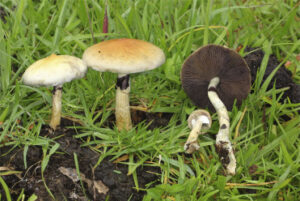
Each mushroom species and strain contains unique levels of psilocybin and psilocin. Psilocybe cubensis strains tend to be moderately potent, while Psilocybe azurescens and Panaeolus cyanescens are among the most potent species, containing higher concentrations of psychoactive compounds. The genetics of each species also impact how the mushrooms respond to cultivation conditions, ultimately affecting potency and experience.
Harvesting and Storage
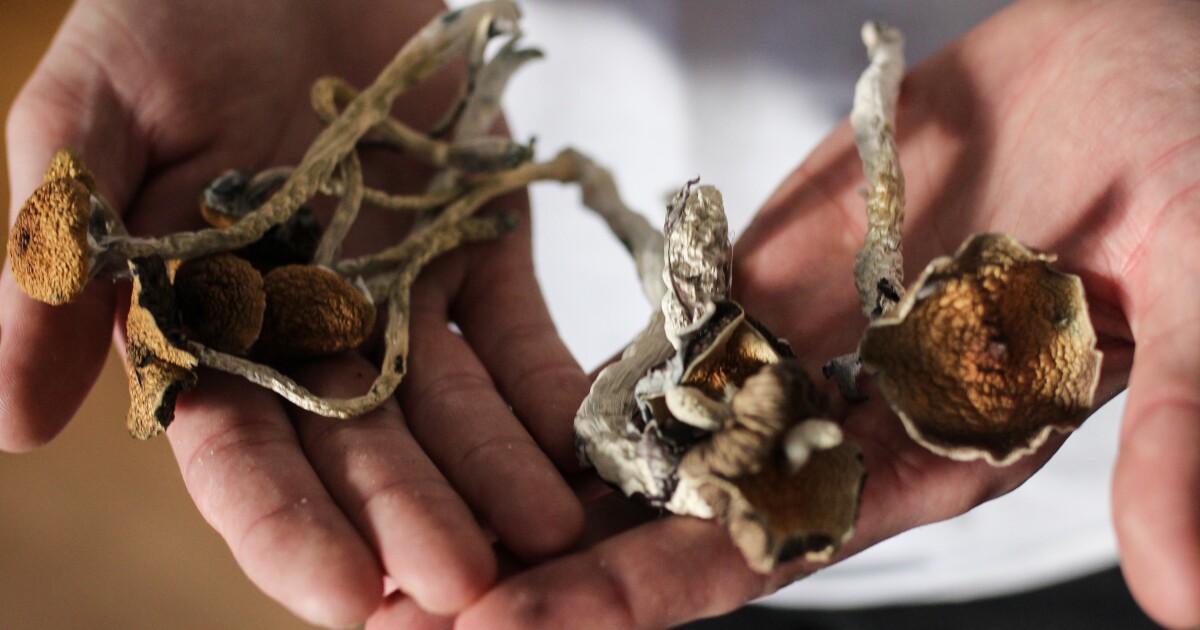
Picking mushrooms at peak maturity helps maintain potency since psilocybin and psilocin levels can decrease once mushrooms reach full maturity. Proper drying and storage also ensure longevity of potency—dried mushrooms kept in a cool, dark place retain their strength longer, while exposure to heat and moisture can degrade psilocybin.
Measuring Potency: Analytical Methods
Scientists use methods like liquid chromatography-tandem mass spectrometry (LC-MS/MS) to measure psilocybin and psilocin content. This technique separates and quantifies each compound, providing precise potency levels for different strains. Such analytical methods are also valuable for identifying the best strains for therapeutic or recreational use, allowing users to choose strains with specific effects.
Hair Analysis for Long-Term Use Detection
Beyond immediate measurement, hair analysis allows for long-term detection of psilocybin use. By analyzing hair samples, researchers can trace psilocybin and its metabolites over time, providing insights into frequency and quantity of past use.
Historical and Modern Use of Magic Mushrooms
Historically, cultures have used magic mushrooms for healing and spiritual practices. Indigenous healers believed psilocybin allowed users to connect with the spiritual realm, guiding emotional and psychological healing. Today, clinical trials are exploring psilocybin as a potential treatment for mental health conditions like depression and anxiety, showing promising results for individuals resistant to traditional treatments.
Safety and Side Effects of Magic Mushrooms
Magic mushrooms can lead to intense experiences, and responsible use is essential. Knowing the right dosage is crucial to minimize risks and maximize the positive effects.
Recommended Dosage and Potential Risks
The recommended starting dose for magic mushrooms is typically 1-2 grams of dried mushrooms. For potent strains, users should start lower and increase gradually if needed. Stronger doses can lead to overwhelming effects, including confusion, anxiety, and sensory overload. Those with preexisting mental health conditions should consult a healthcare provider before experimenting with psychedelics.
Understanding the Potential for Hallucinogen Persisting Perception Disorder (HPPD)
Potent mushrooms can also increase the risk of hallucinogen persisting perception disorder (HPPD), a rare condition that causes visual disturbances long after the trip. While uncommon, it’s essential to be aware of this possibility and to consider personal tolerance and set clear limits for psychedelic use.
Conclusion
Magic mushrooms vary greatly in potency due to differences in species, strain, and growing methods. With increased understanding of their chemical makeup and improved cultivation practices, users can now make more informed choices about which strains best suit their needs. As interest grows in the therapeutic potential of these mushrooms, research continues to reveal their impact on mental health. Whether for therapeutic or personal exploration, approaching magic mushrooms with knowledge and caution leads to safer and more fulfilling experiences.
…